To better understand the Importance of Dance, it is helpful to explore how movement has shaped human culture, health, and social connections throughout history. All cultures throughout the entire history of humanity have practiced dancing, ranging from the earliest representations of rhythmic dancing seen in cave drawings to the billions of dance videos posted on social media websites on a daily basis. It has been around long before written language, organized religion, and even recorded history itself, making it the oldest distinctly human form of art that still exists today.
However, despite being such a universal part of our lives, most individuals feel uncomfortable or insecure when it comes to dancing. “I have two left feet.” “Dancing isn’t my thing.” These unnecessary restraints keep millions of people away from what could very well be one of the most fun and healthy activities in life, as dancing is something that anyone can do, no matter their age, shape, or experience.
In this comprehensive guide, we will discuss all things related to dancing, including its definition, history, different types, and immense health benefits associated with it.
What Is Dancing?

Ultimately, dance can be described as rhythmic bodily movements – typically in reaction to music – in order to convey an idea or message through expression or entertainment. However, this description does not begin to address the true meaning of dance and the significance of its practice.
It is intentional rhythmic movement that sets dance apart from everyday movement. Movement from one place to another is movement. Intentional rhythmic movement to convey some kind of feeling or message is dance. Dance is always a conscious use of the body as a vehicle for expression, guided by rhythm and fueled by intention.
Dance exists simultaneously in several dimensions of human experience:
- As an art form, capable of the same depth and communicative power as music, poetry, or theatre
- As a physical practice, one of the most complete and enjoyable forms of exercise available
- As a social activity, one of the most powerful ways humans connect and celebrate together
- As a cultural tradition, carrying the history and identity of communities across generations
- As a spiritual practice — a path to devotion and connection with something larger than the self
What makes humans want to dance? This has been an issue that scientists and philosophers have attempted to resolve for many years. According to those who study evolutionary theory, humans dance due to the fact that dance served as a means of building a sense of community and connectedness among people – the synchronization of actions brings with it a feeling of intense connectedness that was extremely beneficial in primitive human societies. Neuroscientists have discovered that dance releases certain chemicals in the brain – including dopamine and serotonin – which create feelings of joy.
The History and Origins of Dancing

The history of dancing dates back to the origin of mankind. The process of researching the evolution of dancing leads us back to many millennia of human culture and civilization.
Prehistoric times – The first traces of dance can be seen in cave paintings and rock paintings in all parts of the world. For instance, there are some paintings in Bhimbetka (India), which are about 30,000 years old. These pictures show people dancing. Rock paintings of similar content can also be found in Africa and Europe, proving that even before writing or cultivating crops, humans danced together rhythmically.
Ancient civilizations – In ancient civilizations of Egypt, Mesopotamia, Greece, India, and China, dance had religious and social importance. Dance is portrayed in various works of art of ancient Egyptians. Ancient Greek society gave dance an artistic and philosophical meaning. The term “choreia” meant dance and music as two sides of the same phenomenon. The Natya Shastra of ancient India (200 B.C.- 200 A.D.) laid down the basis for Indian classical dancing. The development of classical Indian dance forms eventually led to traditions explored in the History of Bharatanatyam.
Middle Ages & Renaissance – During the Middle Ages, dance was largely an aspect of social occasions such as festivals and religious rituals. Later on, during the Renaissance period, European court dances were elevated to a high form of art through the efforts of dance masters, who codified the forms in their written manuals for the first time, which were the building blocks of classical ballet in the future.
Explosion of the 20th Century – This period witnessed an amazing expansion of creativity. Modern dance became a reaction against the conventions of ballet, developed by Isadora Duncan, Martha Graham, and Merce Cunningham. Jazz dance, tap, swing, and hip-hop came from the amazing creativity of African American cultures, revolutionizing the world of dance. The Latin forms of dance spread from South America and the Caribbean to the rest of the world as well. The dance today is a form of extreme richness, with thousands of different styles being performed around the globe.
Major Types and Styles of Dancing

Before choosing a style, it helps to understand the different Types of Dance Classes available and how each supports different goals and skill levels.
Ballet — The Foundation of Classical Dance
Ballet is the oldest and most technically difficult of all theatrical dances in the Western tradition – a highly stylized, incredibly sophisticated form which has provided the basis for professional dance training for more than 300 years. Emerging in the courts of Italy and France during the Renaissance period, ballet attained its pinnacle in the 19th-century Imperial Russian Ballet in works by Tchaikovsky (Swan Lake, The Nutcracker).
Ballet is immediately recognizable by its:
- Turned-out leg positions and elongated body lines
- Precisely codified vocabulary of steps with French names (plié, arabesque, pirouette)
- Dancing en pointe — on the tips of toes in specially reinforced shoes
- A combination of technical precision with an appearance of effortless, floating grace
Beginners interested in classical training may also want to explore the Benefits of Ballet for Adults, including improved posture, flexibility, and body awareness.
Hip-Hop Dance — The Voice of the Streets
Hip-hop dancing developed in the early 1970s among the inner-city areas of the South Bronx, New York, as part of the hip-hop culture. This type of dance has spread globally from its humble beginnings in the South Bronx, which is an urban area characterized by poor African Americans and Latinos.
Hip-hop encompasses a family of related styles, including:
- Breaking (Breakdancing) — acrobatic floor work, power moves, and improvisational battle format
- Locking — stop-and-hold movement quality with funky groove and playful energy
- Popping — rapid muscle contractions creating a sharp hitting effect, including the robot and wave
- Krump — intensely emotional and explosive style from South Los Angeles
- New Style / Studio Hip-Hop — the choreographed commercial version seen in music videos and stage shows
These music styles have one common factor that links them: the basis of African-American musical culture – musicality, individualism, sense of community, and democracy, the idea that everyone can dance.
Contemporary Dance — Breaking the Rules
Contemporary dance is the hardest major style to describe, since the one feature that sets contemporary apart is precisely the fact that it is hard to define. This style, at its heart, is a philosophy of freedom through creativity — a freedom of form, movement, and expression without any set of rules.
Developed out of the modern dance tradition established by Isadora Duncan, Martha Graham, and José Limón, contemporary dance continued to develop further, introducing such elements as contact improvisation and release techniques, as well as somatic disciplines and interdisciplinary collaboration with the visual arts, theater, and technology. If this style interests you, learning What Is Contemporary Dance can provide deeper insight into its creative philosophy and movement principles.
Ballroom Dancing — Elegance in Partnership
Ballroom dancing covers a collection of partner dance styles ranging from the stately Waltz to the dramatic Tango to the bright Quickstep. Competitive ballroom is divided into two categories:
- Standard dances (Waltz, Tango, Viennese Waltz, Foxtrot, Quickstep) — performed in closed hold, traveling counterclockwise with elegance and precision
- Latin dances (Cha-cha, Samba, Rumba, Paso Doble, Jive) — more separated, featuring hip movement, sensuality, and energy
Beyond competition, ballroom dancing is one of the most popular recreational social activities worldwide — delivering physical fitness, cognitive stimulation, emotional well-being, and genuine human connection in every session.
Latin Dance — Passion and Rhythm Combined
Latin dance encompasses styles originating in Latin America and the Caribbean — all sharing foundations in African rhythmic traditions blended with European and indigenous influences. The most popular styles include:
- Salsa — high-energy improvisational partner dance from Cuban and New York roots
- Bachata — close-hold Dominican style with wave-like body movement and romantic character
- Merengue — simple, regular rhythm, making it the ideal beginner Latin style
- Cumbia — hip-driven Colombian style widely danced across Latin America
- Zouk — flowing, wave-like French Caribbean partner style
Jazz Dance — Energy and Showmanship
Jazz Dance is an American dance genre based on the African-American style of dancing that incorporates all the characteristics of jazz music, such as syncopation, improvisation, self-expression, and excitement. Jazz dance evolved from the ballroom and dance hall floor in the early twentieth century, developed via the medium of musical theater and Hollywood through famous choreographers such as Jack Cole, Bob Fosse, and Michael Bennett. In contemporary times, jazz dance covers styles ranging from vernacular social dances to studio jazz and Broadway theater performances.
Tap Dance — Rhythm Made Visible
Tap dance is an exclusively American form that involves the creation of rhythmic sounds using metal plates affixed to the feet of the dancer, and thus makes the dancer not only a performer but also a musician. Originating out of the merging of rhythmic traditions of African Americans and the Irish and Scottish clog dance styles, tap dance enjoyed its heyday in the 1930s and 1940s in the performances of such legends as Fred Astaire, Gene Kelly, and the Nicholas Brothers. The History of Tap Dance reveals how multiple cultural influences shaped one of America’s most distinctive dance forms.
Folk and Cultural Dance — Roots and Identity
Folk and cultural dance encompasses traditional forms developed organically within specific communities — passed down through generations as expressions of cultural identity, historical memory, and shared celebration. Common characteristics include:
- Community participation — designed for everyone, not just specialists
- Occasion-specific — tied to harvests, weddings, religious festivals, and seasonal transitions
- Oral tradition — learned by watching and doing rather than written instruction
- Cultural memory — carrying a living record of community history and values
Among these are Irish step dancing, characterized by extremely precise footwork; Scottish country dancing, which consists of lively set dances in groups; the Greek circle dances, in which a group celebrates by moving in unison; and African traditional dances, the extremely rich rhythmic traditions of which have affected world culture tremendously. Many of these traditions continue today through forms of South Indian Dance that preserve centuries of artistic heritage.
The Physical Health Benefits of Dancing

But what makes dancing not only a fun activity, but one of the best activities for humans? Some major advantages include:
A complete workout for the whole body – as opposed to activities focused on particular muscles, dancing exercises your legs, abdomen, arms, and even your heart, thus providing you with excellent training in a variety of aspects at once.
Heart health – high-intensity dances such as salsa, hip hop, and swing will get your heart rate up and provide you with the same cardiovascular benefits as jogging or cycling. According to the American Journal of Preventive Medicine, regular dancing decreases the risk of developing cardiovascular diseases and even death.
Strength, flexibility, and balance – through dance training, you will get a well-rounded functional strength, enhance your flexibility by using a wide range of movement, and improve your balance.
Weight management – An hour-long dance routine can help you burn between 200 to 600 calories, which is equivalent to running at a moderate pace. Dancing regularly helps build muscles, thereby increasing the metabolism rate and aiding weight maintenance.
Bone density – Being a weight-bearing and impact physical activity, dance plays an important role in developing bones and maintaining their density, hence reducing risks of osteoporosis, especially for postmenopausal women.
The Mental and Emotional Benefits of Dancing
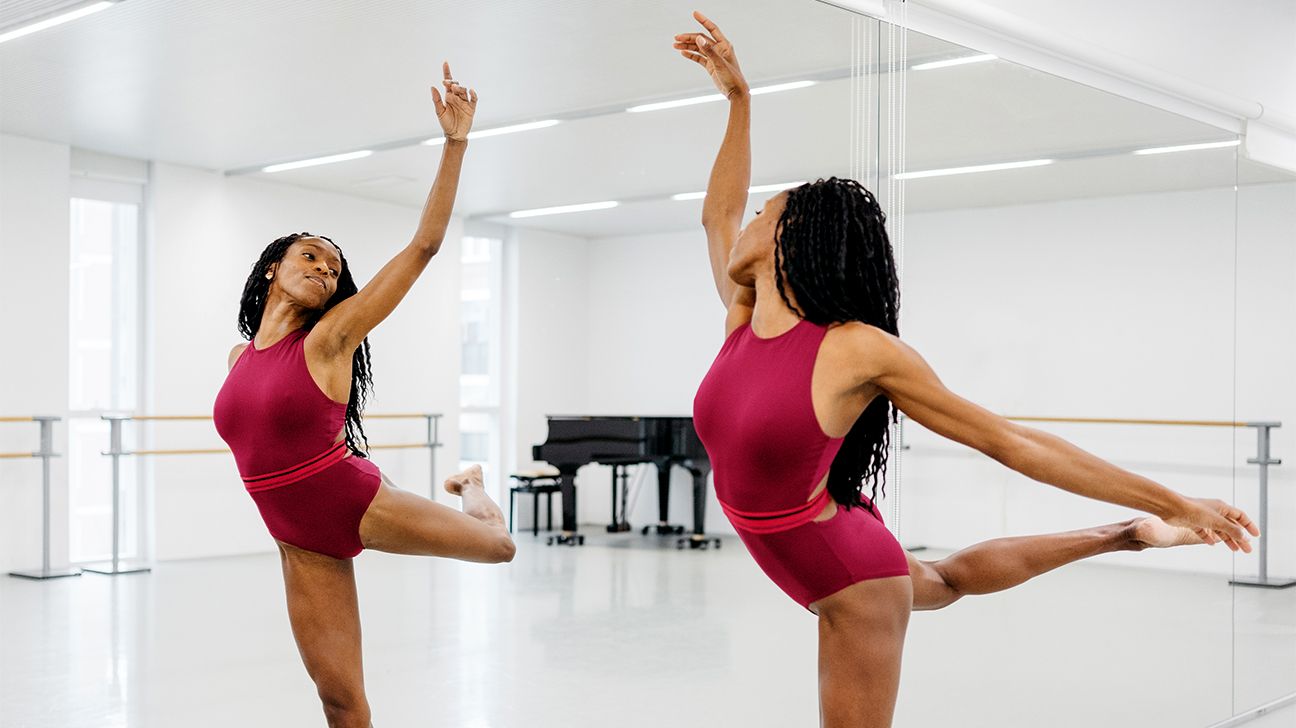
Research surrounding Dance for Mental Health continues to demonstrate the positive effects of movement on emotional well-being.
Stress and anxiety relief — Dancing causes an increase in endorphin production while simultaneously offering relaxation properties of music along with social interaction, creation, and distraction of anxious thoughts. This is what makes dancing a very holistic means of dealing with stress.
Management of depression — Several clinical studies show that dance and movement therapies are efficient at reducing symptoms of depression, with some studies even showing that dancing may be more effective than regular exercise without dance, probably due to the aforementioned factors. The WHO considers dance movement therapy to be a legitimate form of complementing mental health care.
Improving cognitive function and preventing dementia — One of the most important studies ever done on this topic showed that those who danced frequently had a 76% lower risk of developing dementia, more than any other physical or mental activity, like reading books and solving crosswords. The ability to process music, spatial relations, memorization skills, and social connections results in unique benefits for the brain.
Developing self-confidence and self-esteem — As people learn new moves and choreography and get rewarded for their achievements, they acquire real competence in something. The appreciation of one’s body for what it can do instead of how it looks is especially important in the culture of constant body evaluation when talking about young children and teenagers.
Creating social connections — Classes and social dances are the sources of constant socializing and a feeling of being needed by people around you. The unique connection with other people that you feel from moving in unison with them is hard to recreate in regular social situations.
How to Start Dancing as a Beginner

Starting your dance journey is simpler than most people expect. Here is a clear, practical roadmap:
Choose a style that genuinely excites you. Motivation is everything in dance — consistent practice over time is what builds real skill, and the best way to ensure consistency is genuine enthusiasm. Consider:
- What music moves you?
- Do you prefer dancing alone or with a partner?
- Are you drawn to structured classical forms or creative freedom?
- Do you want an intense athletic challenge or a gentle, social movement?
Find a qualified teacher or class. Enrolling in professional Dance Classes is one of the fastest ways to build confidence and develop proper technique. Give personalized feedback, correct technical problems before they become ingrained habits, and guide your development with full awareness of your individual needs. Look for classes at:
- Local dance studios
- Community and recreation centers
- University continuing education programs
- Dance-specific community organizations (salsa clubs, swing societies, folk groups)
Consider online videos to be supplements. YouTube channels and other dance websites have a vast number of free video lessons that can prove very useful in supplementing your practice both in the studio and at home, as well as discovering new dance styles. These cannot replace an instructor, but can be considered a good resource.
Have realistic expectations. Almost all beginners inevitably feel awkward and uncomfortable during the first lessons — that is quite understandable. Your body is getting used to new movements while your nervous system is put to the test in a new situation. Your progress will be faster than you expect, and there will come those moments of success which are simply awesome!
Tips for accelerating your progress:
- Practice consistently — even 15–20 minutes daily at home dramatically accelerates improvement
- Record yourself occasionally — video is one of the most effective tools for identifying areas to improve
- Attend social dance events as soon as you feel ready — real social context accelerates learning faster than class alone
- Embrace mistakes as a learning approach— every correction as valuable information rather than a source of embarrassment