Tap Dance in the 19th Century
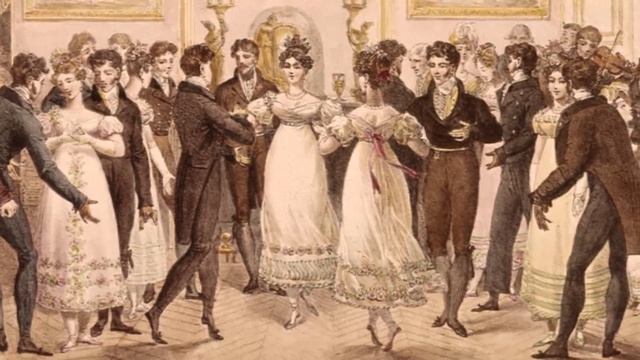
Minstrel Shows and Early Performances
The origins of tap dance can be traced back to the 19th century in America. It is believed that tap dance originated from the combination of African and European dance styles. Similar cultural blending can be seen in other traditional styles like Bharatanatyam and Kathak. The African dancers contributed to the development of tap dance by bringing complex rhythms, syncopation, and footwork. Similarly, the Irish and British dancers contributed to the development of tap dance by bringing structured dance styles such as jigs and reels. Gradually, these styles were mixed together, giving birth to the origins of tap dance. The first stage where tap dance came into the limelight was in minstrel shows.
Minstrel shows were a type of entertainment in those days, although they are considered to have been carried out on racial grounds. Minstrel shows can be considered a part of the history of America, although they are not considered a positive aspect of its history. During these shows, the dancers started performing different styles of dance, giving birth to the development of tap dance. The performance of different styles of dance helped tap dance come into the limelight.
Development of Rhythm and Footwork
As tap dance evolved during the 19th century, dancers began to focus more on refining their technique and expanding their range of movements. Early performers experimented with different ways of striking the floor, creating a variety of sounds and rhythms. This period saw the development of foundational steps and combinations that are still used in tap dance today.
Improvisation also became an important aspect of tap dance during this time. Dancers would often engage in friendly competitions, challenging each other to create more complex and innovative rhythms. This spirit of creativity and individuality became a defining feature of tap dance, setting it apart from other dance styles.
By the end of the 19th century, tap dance had established itself as a recognizable form of entertainment, with performers continuing to push the boundaries of rhythm, speed, and expression. Understanding these foundational elements is easier when exploring different types of dance classes designed for beginners and advanced learners.
The Golden Age of Tap Dance (1920s–1940s)
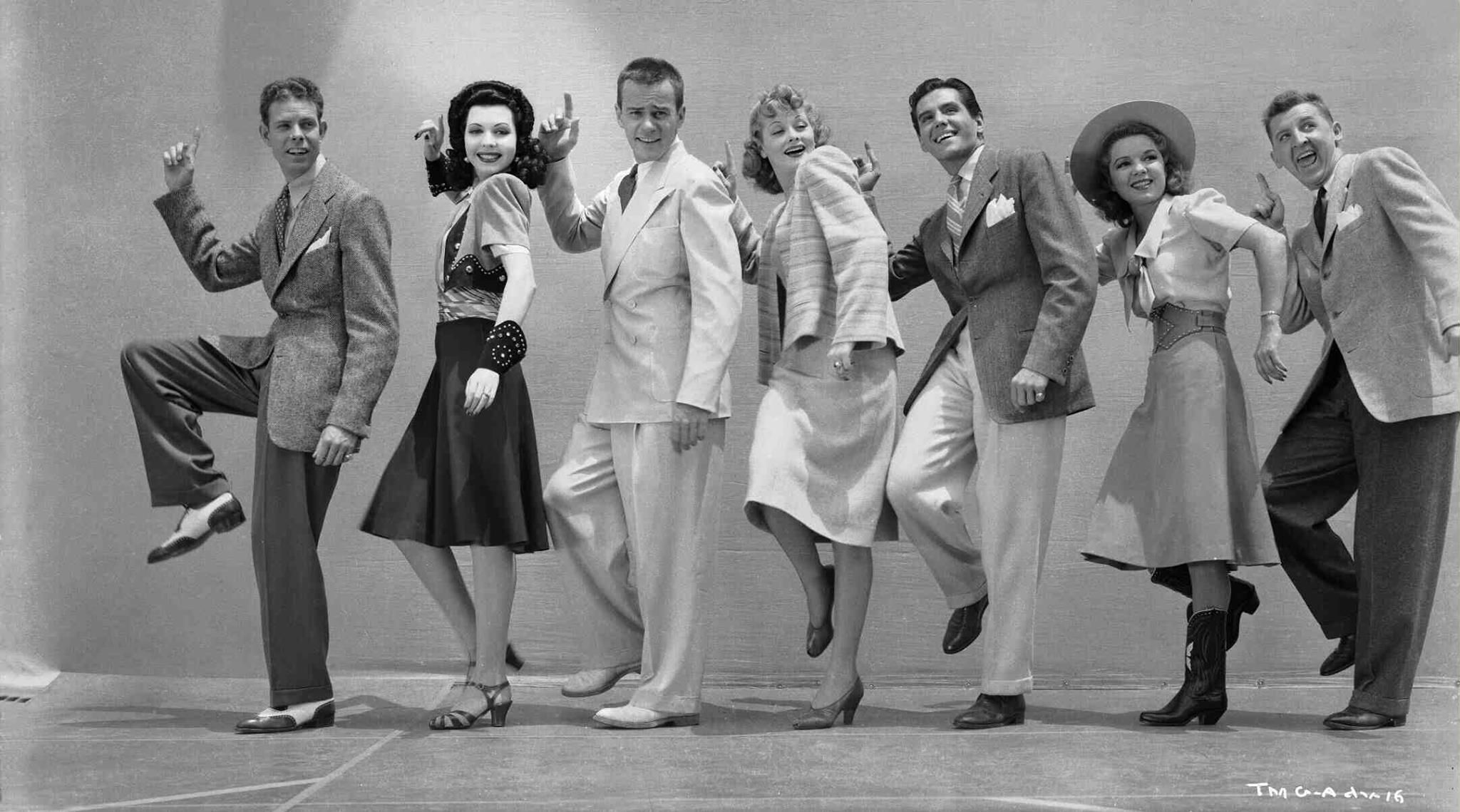
Tap Dance in Hollywood Films
The early and mid-20th century is considered the Golden Age of Tap Dance. During this time, Tap Dance gained enormous popularity, thanks in part to its appearance in Hollywood movies and musical theater productions. Movies featuring music were a popular form of entertainment during this time, and Tap Dance featured prominently as a highlight in these movies. Hollywood played a significant role in popularizing Tap Dance across the world. The choreographed dance performances, accompanied by music and storytelling, were a highlight of Tap Dance and helped popularize it across the world as a form of elegant and entertaining dance. These movies not only provided entertainment to people around the world but also motivated people to learn and participate in various forms of dance. Even today, this inspiration continues through structured dance classes that help learners explore different styles. Tap Dance studios emerged during this time, and the style of dance gained popularity among the masses.Famous Tap Dancers of the Era
The Golden Age also saw some of the most iconic figures in the history of tap dance, whose legacy continues to be felt today. Dancers such as Fred Astaire and Gene Kelly gave the art of tap dance an air of sophistication and elegance, which they skillfully merged with acting. During the Golden Age, legendary dancers such as Bill “Bojangles” Robinson and the Nicholas Brothers also gave the art of tap dance an air of rhythm, speed, and agility. The contributions made by these dancers were particularly important in establishing the artistic and cultural identity of the art of tap dance. The Nicholas Brothers, in particular, were famous for their acrobatic dance moves that were skillfully merged with the art of tap dance. These dancers not only took the art of tap dance to greater heights but also helped maintain its heritage while propelling it forward to new and exciting places. This era also influenced modern dance styles, including expressive forms like contemporary dance.Cultural Impact of Tap Dance
 Tap dance has had a significant impact on culture, music, and the performing arts. Tap dance has a rich history that is a mix of different cultures. It is a great example of how different cultures can come together and create something new and creative. Dance has had a significant impact on various music genres, particularly jazz music. This connection between dance and rhythm also raises discussions around whether dancing is a sport or an art form, as rhythm is a crucial element in jazz music.
This dance has not only been a source of entertainment; it has also been a source of self-expression and storytelling. Tap dancers use rhythm and movement to convey different emotions, ideas, and experiences without using any language. Dance is a unique form of self-expression.
Tap dance is celebrated across the world today. It is taught in various dance schools and is featured in various performances and competitions, thus keeping its rich history alive as new generations continue to add their own touches.
Tap dance has had a significant impact on culture, music, and the performing arts. Tap dance has a rich history that is a mix of different cultures. It is a great example of how different cultures can come together and create something new and creative. Dance has had a significant impact on various music genres, particularly jazz music. This connection between dance and rhythm also raises discussions around whether dancing is a sport or an art form, as rhythm is a crucial element in jazz music.
This dance has not only been a source of entertainment; it has also been a source of self-expression and storytelling. Tap dancers use rhythm and movement to convey different emotions, ideas, and experiences without using any language. Dance is a unique form of self-expression.
Tap dance is celebrated across the world today. It is taught in various dance schools and is featured in various performances and competitions, thus keeping its rich history alive as new generations continue to add their own touches.
Benefits of Learning Tap Dance
 Learning to dance in this style can provide several physical and mental benefits. Similar benefits can also be seen in structured styles like ballet, as explained in the benefits of ballet for adults. On a physical level, dancing in this style can help individuals become more coordinated, balanced, and healthy. The specific movements required for this style of dance will help build muscles in the legs and feet, while the rhythms will help build timing and control.
On a mental level, this style of dance can help individuals become more focused and concentrated. The rhythms required for this style of dance demand a lot of concentration, which can help build cognitive abilities in individuals.
Finally, this style of dance can provide individuals with a sense of enjoyment and satisfaction, regardless of whether they are dancing as a hobby or in a more serious manner.
Learning to dance in this style can provide several physical and mental benefits. Similar benefits can also be seen in structured styles like ballet, as explained in the benefits of ballet for adults. On a physical level, dancing in this style can help individuals become more coordinated, balanced, and healthy. The specific movements required for this style of dance will help build muscles in the legs and feet, while the rhythms will help build timing and control.
On a mental level, this style of dance can help individuals become more focused and concentrated. The rhythms required for this style of dance demand a lot of concentration, which can help build cognitive abilities in individuals.
Finally, this style of dance can provide individuals with a sense of enjoyment and satisfaction, regardless of whether they are dancing as a hobby or in a more serious manner.
How to Get Started with Tap Dance