How Dance Affects Mental Health
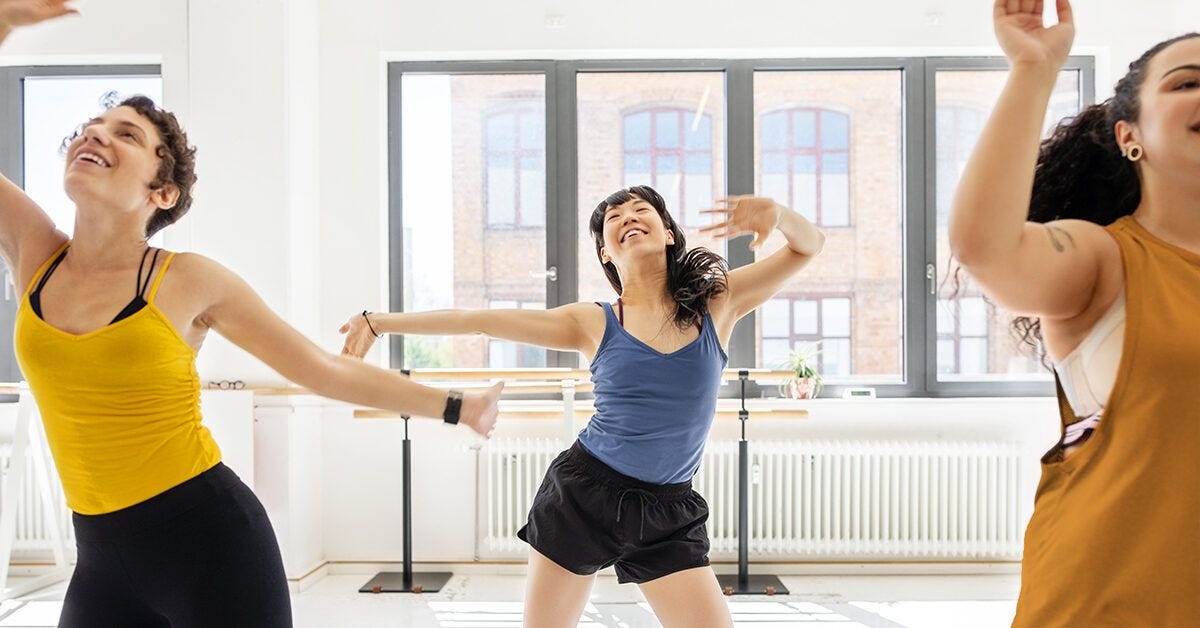 Dance affects the brain and the body directly, and this affects how a person feels, both physically and emotionally. When dancing, the body releases endorphins, which are chemicals that help a person feel better and reduce any pain or anxiety that they may be feeling. Dancing also helps a person reduce the level of cortisol, a hormone that leads to anxiety.
Another factor that dance affects is the mind and the body. This is why exploring different types of dance classes can help individuals experience these benefits in a structured way, and this helps a person shift their focus away from any thoughts that may be bothering them. This is especially important for people who are prone to overthinking. Dancing helps a person feel balanced, and this makes them feel grounded, energized, and alert.
Dance affects the brain and the body directly, and this affects how a person feels, both physically and emotionally. When dancing, the body releases endorphins, which are chemicals that help a person feel better and reduce any pain or anxiety that they may be feeling. Dancing also helps a person reduce the level of cortisol, a hormone that leads to anxiety.
Another factor that dance affects is the mind and the body. This is why exploring different types of dance classes can help individuals experience these benefits in a structured way, and this helps a person shift their focus away from any thoughts that may be bothering them. This is especially important for people who are prone to overthinking. Dancing helps a person feel balanced, and this makes them feel grounded, energized, and alert.
Key Mental Health Benefits of Dance

Reduces Stress and Anxiety
One of the most immediate advantages of dance is that it helps you reduce your level of stress. Dancing and moving your body to music helps you let go of the stress that you have accumulated and allows you to shift your focus away from your worries. This is also why many organizations use dance team-building activities to reduce stress and improve group energy.
Helps Manage Depression
Dance can be a useful accompaniment in the management of depression. Dancing helps you manage your depression by increasing your activity level and allowing you to express your emotions. When you dance, your body becomes active, and this helps increase your energy levels and your positive state of mind. Dancing also allows you to express your emotions, and this can help you manage your depression. The combination of a positive state of mind and the expression of your emotions can help you manage your depression and lead a positive life.
Improves Self-Confidence
As you learn new movements and improve your dancing skills, dancing instills confidence. Reaching small goals, such as mastering the routine or dancing in front of people, gives one a feeling of accomplishment. Dancing also helps people become more aware of their bodies and love themselves the way they are.
Enhances Social Connection
Dancing helps people connect with others, whether in class, workshops, or social gatherings. This social connection has a profound effect on mental health. Dancing with others who share the same interest helps reduce the feeling of loneliness and isolation. Although some people enjoy dancing alone, the feeling of being part of the dancing community gives them a sense of belonging.
Types of Dance That Support Mental Health
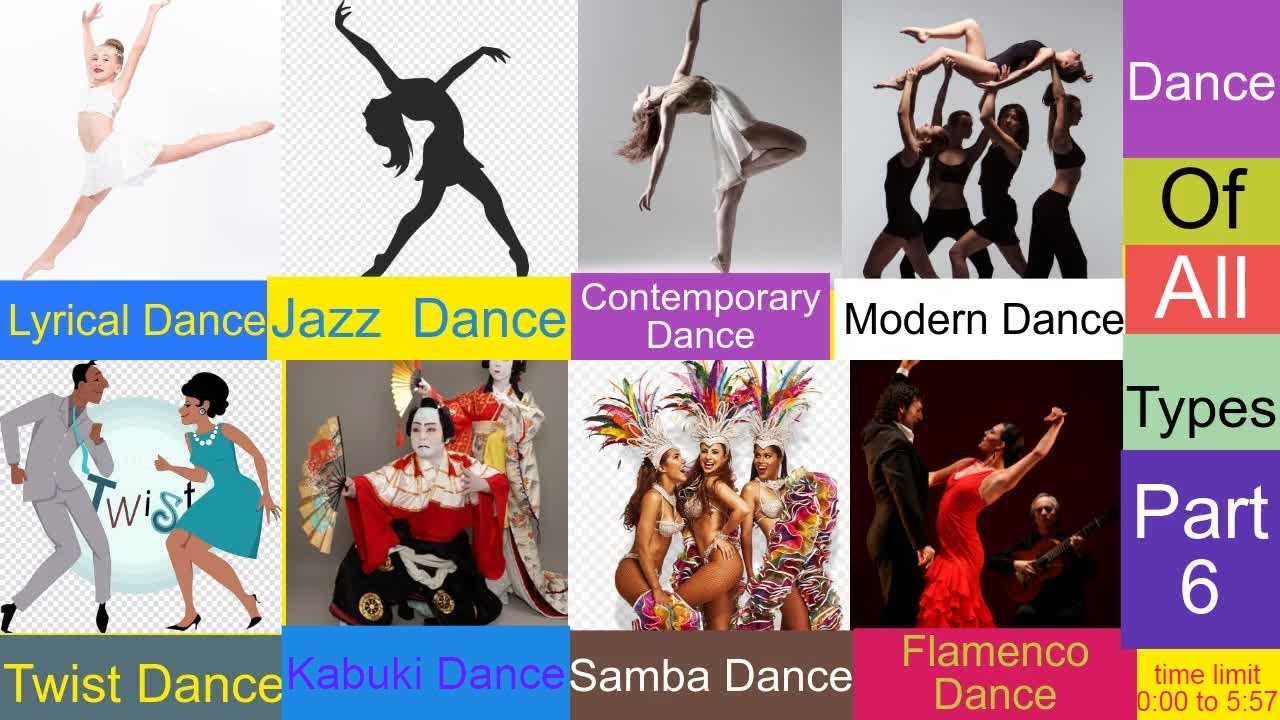
Contemporary Dance
To understand this style better, you can explore what contemporary dance and fluid quality are, which is why it is best for mental well-being. It enables dancers to express their emotions through movement without any specific rules or limitations.
Ballet
Ballet is associated with discipline, structure, and focus, which can be beneficial for the mind. It involves specific movements and techniques that require concentration, enabling dancers to be fully engaged in the moment. You can also read about the benefits of ballet for adults to understand its mental and physical impact, as it can improve posture, balance, and clarity of the mind, besides giving dancers confidence.
Hip-Hop and Freestyle
Hip hop and Freestyle dance styles are lively and expressive dance styles. These dance styles are suitable for relieving stress and improving moods. These dance styles promote individuality and allow dancers to be creative. They can move freely and express themselves. In addition, this connection is similar to the foundational concepts found in forms of Indian music. In these dance styles, there is a strong. Therefore, it is an entertaining dance style for improving moods.
Cultural and Traditional Dance
Cultural and traditional dance styles, such as Bharatanatyam, Kathak, or folk dance, may have strong underlying meanings. can provide an individual with a strong sense of identity, especially in styles like Bharatanatyam and Kathak.
Dance Therapy vs Recreational Dance
 While both forms of dance therapy and recreational dancing provide mental health benefits, they are utilized for different purposes. Dance therapy, also called dance movement therapy (DMT), is a systematized form of therapy led by professionals who utilize body movement as a type of psychological therapy. Dance therapy is commonly utilized in clinical settings to assist people who are coping with trauma, anxiety, and other mental health problems.
On the other hand, recreational dancing is more casual and accessible. This type of dancing includes attending classes, social dancing, or dancing at home. Many people also explore whether dance is purely artistic or physical by asking, is dancing a sport.
While both forms of dance therapy and recreational dancing provide mental health benefits, they are utilized for different purposes. Dance therapy, also called dance movement therapy (DMT), is a systematized form of therapy led by professionals who utilize body movement as a type of psychological therapy. Dance therapy is commonly utilized in clinical settings to assist people who are coping with trauma, anxiety, and other mental health problems.
On the other hand, recreational dancing is more casual and accessible. This type of dancing includes attending classes, social dancing, or dancing at home. Many people also explore whether dance is purely artistic or physical by asking, is dancing a sport.
Tips to Maximize Mental Health Benefits Through Dance
 For one to fully benefit from the mental health benefits of dance, it is important that one be consistent and purposeful. Dancing regularly can be beneficial in that it can help one build up a positive impact on one’s well-being. To experience these benefits fully, you can join professional dance classes or explore specialized adult dance classes designed for all skill levels.
One should also create an environment that is comfortable and free of judgment, especially if one is new to dancing. This will make one free and focused on the experience rather than the end product. Listening to one’s body and the joy of dancing can make one benefit physically and mentally.
For one to fully benefit from the mental health benefits of dance, it is important that one be consistent and purposeful. Dancing regularly can be beneficial in that it can help one build up a positive impact on one’s well-being. To experience these benefits fully, you can join professional dance classes or explore specialized adult dance classes designed for all skill levels.
One should also create an environment that is comfortable and free of judgment, especially if one is new to dancing. This will make one free and focused on the experience rather than the end product. Listening to one’s body and the joy of dancing can make one benefit physically and mentally.
Who Can Benefit from Dance for Mental Health?
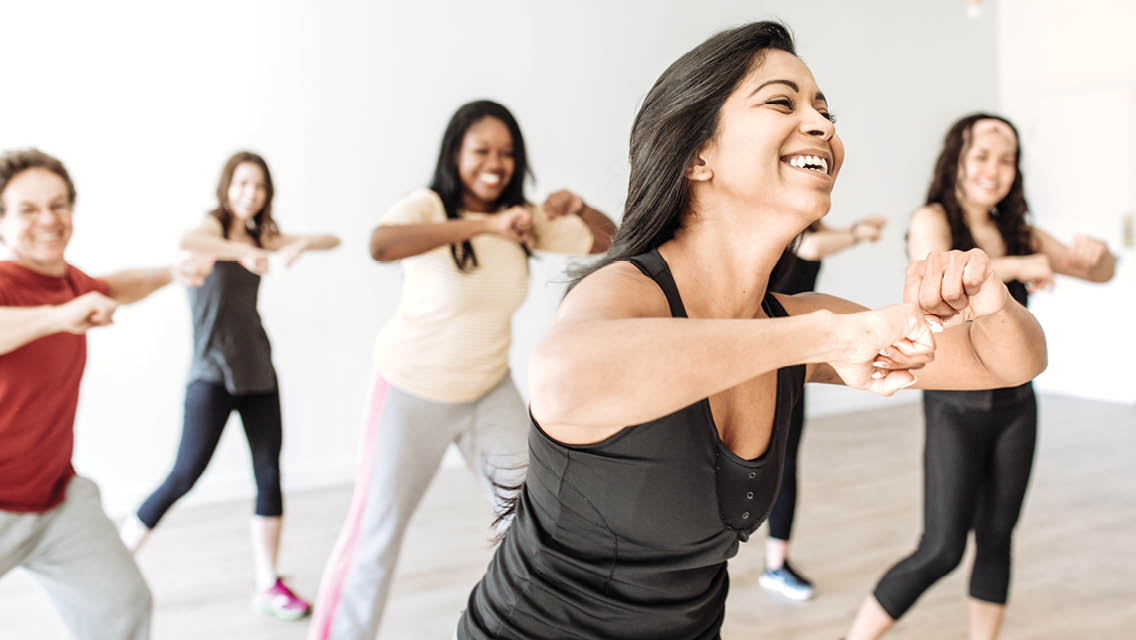 Dance for mental health is for people of all ages and backgrounds. Whether you are an experienced dancer or a novice, dance for mental health is available and applicable to you. For children, dance for mental health is an opportunity to express emotions and gain self-confidence. For adults, dance for mental health is an opportunity to reduce stress and achieve emotional balance.
People who suffer from anxiety, depression, and stress, dancing for mental health is an opportunity to achieve mental balance naturally and entertainingly. For people who want to be happier, feel more energetic, and be more connected to themselves, dance for mental health is an opportunity to achieve that. For children, structured programs like children’s dance classes can help build confidence and emotional expression early on.
Dance for mental health is for people of all ages and backgrounds. Whether you are an experienced dancer or a novice, dance for mental health is available and applicable to you. For children, dance for mental health is an opportunity to express emotions and gain self-confidence. For adults, dance for mental health is an opportunity to reduce stress and achieve emotional balance.
People who suffer from anxiety, depression, and stress, dancing for mental health is an opportunity to achieve mental balance naturally and entertainingly. For people who want to be happier, feel more energetic, and be more connected to themselves, dance for mental health is an opportunity to achieve that. For children, structured programs like children’s dance classes can help build confidence and emotional expression early on.