It is generally acknowledged that music is a universal language, yet all languages have their own structure, which enables efficient communication between individuals. The structure of music is known as music theory. If your goal is to learn an instrument, to sing in tune, to compose your own pieces, or just become more versed in music, enrolling in music classes provides the practical training, while music theory builds the knowledge behind every performance. The knowledge you will gain in music theory classes will serve as a solid foundation for developing your musical talents.
Most of the would-be musicians concentrate only on playing their instruments without realizing the importance of learning the theory. Sure, practice is important, but the knowledge of why certain notes work the way they do may help to increase your skills dramatically. Music theory explains how the melodies, harmonies, rhythms, and chords interact and combine.
The great thing about music theory is that it is not only for professionals. Anyone at any age and skill level can benefit from learning the basics of music. Whether you’re starting with children’s music classes or adult music classes, understanding music theory makes learning easier. Be it someone taking their very first lessons or an experienced performer, music theory courses can help anyone develop into an all-round musician.
This guide will give you some insights into what music theory courses are, why you need them, what they include, who can take advantage of them, what different kinds of courses there are, and how they differ from ear training.
What Are Music Theory Classes?

Music theory is a lesson that involves teaching the principles and elements of music theory. As opposed to music lessons, where there is much concentration on playing an instrument and singing songs, music theory classes explain how music is made, organized, and performed.
In essence, music theory can be equated to the grammar of music. In the same way as grammar makes possible the formation of meaningful sentences, music theory explains how various musical concepts like notes, rhythms, and harmony come into use in the creation of wonderful musical pieces. An ordinary music theory class involves teaching the elements such as reading musical notation, rhythm, keys and scales, intervals, chords, and analysis of musical composition.
Theory lessons usually incorporate writing exercises, listening tasks, demonstrations, and discussions. In addition to identifying patterns in music, students will be able to use the knowledge acquired during classes in practice when playing, composing, or improvising. No matter if you wish to be a professional musician, take music exams, or study music just for fun, acquiring music theory knowledge will definitely come in handy.
Why Are Music Theory Classes Important?
The study of music theory is perhaps one of the best ways to improve yourself as a musician. It also complements the many benefits of music by strengthening both technical and creative skills. Although experience is important, knowledge of the underlying principles will allow you to move ahead much more quickly and confidently.
Build a Strong Musical Foundation
The basics of music theory are taught in music theory courses. These lessons provide insight into the structure of music and make it easier to understand any piece of music without going through a trial-and-error process.
Improve Sight-Reading Skills
It is easier to read music when you know about notes, rhythms, key signatures, and musical symbols. Music theory courses educate learners on how to read music, thus making it easy for them to master new music pieces.
Develop Better Rhythm and Timing
Rhythm is a vital aspect of any musician. The theory of music classes helps one understand time signatures, notes, beats, and rhythmic structures so that they can keep a constant rhythm while performing.
Enhance Creativity and Composition
The study of music theory does not confine one’s creativity but rather helps one develop it further through knowledge of scales, chords, harmony, and melodies, which helps one create their own music and arrangements.
Improve Communication with Other Musicians
Theory language is usually employed by musicians when rehearsing and playing music together. Knowledge about the nature of chords, key signatures, intervals, and dynamics allows musicians to work together more efficiently.
Increase Confidence During Performances
Being aware of reasons why certain notes or chords fit in specific combinations increases confidence among musicians during live performances. Rather than just memorizing music pieces, students know the reasons behind them, which helps them fix problems on stage. All in all, taking theory classes helps students become independent musicians.
What Do You Learn in Music Theory Classes?

The subjects taught in music theory classes include those that give the learner knowledge of all aspects of music. Concepts learned are cumulative in nature and therefore build into an understanding of all facets of music.
Musical Notes and Staff
Among the first concepts taught in music theory is the reading of musical notation. Students learn how to identify notes on a staff, how to interpret the various clefs like the treble and the bass clef, as well as note naming. Reading sheet music opens the door to understanding different musical instruments and how they work together in musical compositions.
Rhythm and Time Signatures
Rhythm is the pulse of music. The student will discover how rhythms are structured, how the value of notes creates duration, and how time signatures influence the character of the composition.
Subjects generally covered include:
- Whole, half, quarter, eighth, and sixteenth notes
- Rests
- Counting beats
- Simple and compound time signatures
- Tempo
- Syncopation
Understanding rhythm enables the musician to play accurately and be in harmony with others.
Scales and Key Signatures
Scales form the foundation of melody and harmony across many musical traditions, including various forms of Indian music. In music theory classes, the main scales that students study include major scales, minor scales, chromatic scales, and different modes of music. Key signatures indicate the tonic of a music piece and help avoid repeating accidentals on the staff. Learning about scales helps in developing improvising, composing, and performing skills.
Intervals
An interval is a measure of how far apart two pitches are from each other. Interval recognition is important for reading music, ear training, creating chords, and comprehending melody. Students gain proficiency in recognizing intervals both visually and audibly, thus making it easier to spot patterns in music.
Chords and Harmony
Harmony helps to enrich and evoke emotion in music. Music theory lessons include how chords are built and how various chord progressions help build different moods in music.
The topics covered can include:
- Major chords
- Minor chords
- Diminished chords
- Augmented chords
- Seventh chords
- Inverted chords
- Popular chord progressions
This will allow students to accompany pieces, write music, and understand harmony.
Melody and Counterpoint
The melody is the principal musical line that people tend to remember, whereas counterpoint is about the interaction of several melodic lines. Learning takes place about how to build melodies, develop phrases, and bring together musical lines so as to achieve harmony. This knowledge is particularly useful for composers, arrangers, and performers at an advanced level.
Ear Training
Ear training trains the musician to be able to hear notes, intervals, rhythms, and chords without depending only on reading musical notation.
Examples of ear training activities include:
- Interval recognition
- Scale singing
- Rhythm clapping
- Chord quality recognition
- Listening activities
- Melodic dictation
Good listening skills make you a better musician and also reinforce why music is important for developing creativity, concentration, and communication.
Music Analysis
The study of music involves analyzing melody, harmony, rhythm, dynamics, and form across different genres, including folk music, classical, and contemporary styles. The study is not just about performing but knowing the reasons behind the composer’s decision to use certain aspects that evoke certain feelings.
Who Should Take Music Theory Classes?
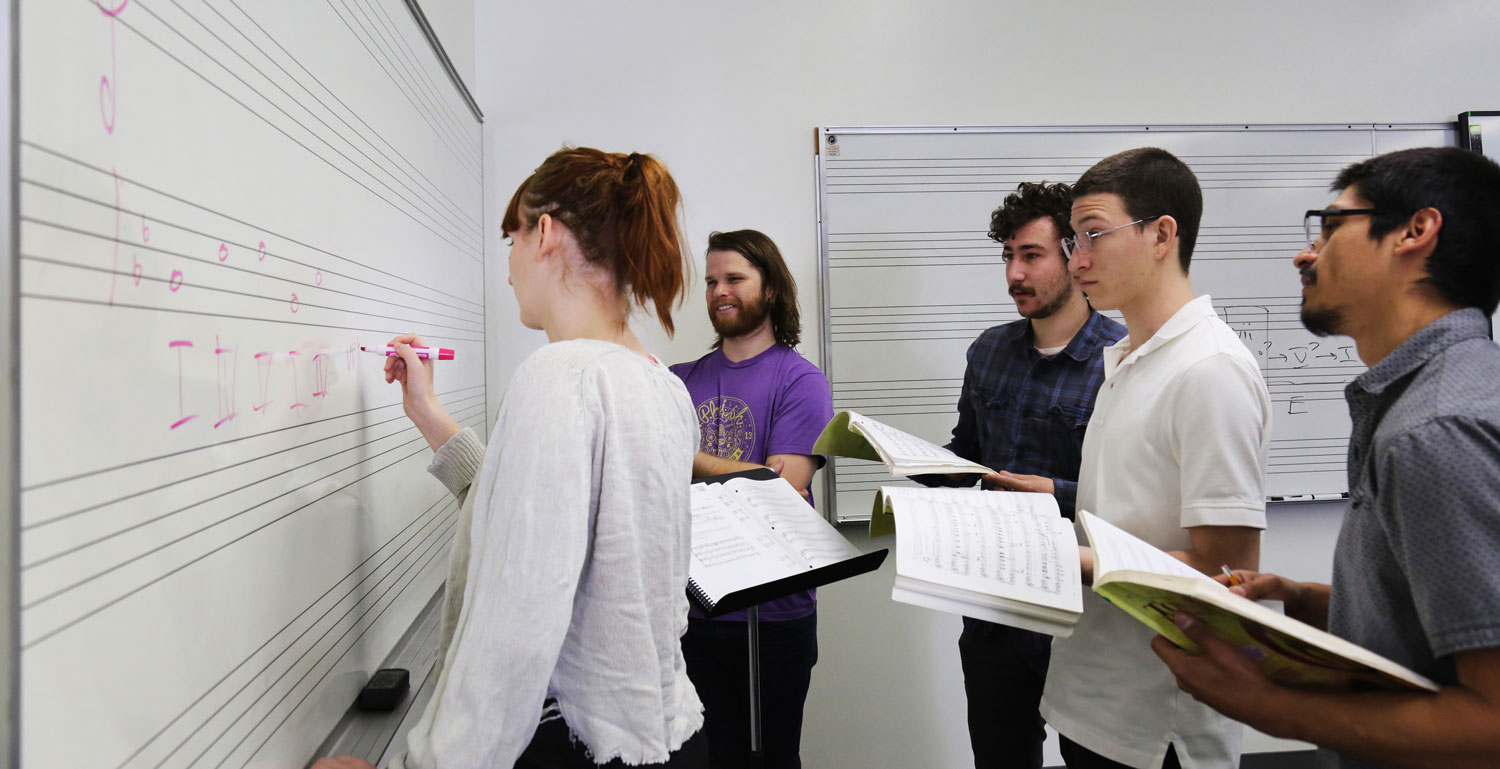
One of the most prominent benefits of music theory classes is that they are designed for learners of any age or experience level. For beginners, such courses help establish the necessary foundation of musical knowledge before moving on to more complicated skills.
Kids are taught how to play rhythmic patterns, learn different pitches, and notate music in a fun way. Teenagers who are about to give a performance at school, participate in a competition, or take music exams acquire useful theoretical knowledge.
Adult learners who begin learning to play an instrument are likely to benefit from music theory, as it can make their practice sessions more effective. Singers have the opportunity to learn to recognize notes more accurately and to understand harmony and vocal score reading. Players learn about musical scales, chords, and other concepts, which makes it easier to learn difficult pieces. Professional musicians never stop studying music theory during their entire careers to enrich their knowledge base and hone their skills.
Different Types of Music Theory Classes

Music theory classes are offered in various formats so that learners can pick out the best fit depending on their skill level and personal preferences.
Beginner Music Theory Classes
Introduction to music theory classes emphasize fundamentals like notation, rhythm, reading notes, scales, and basic chords. Such classes are perfect for novice students who have had no prior experience with music.
Intermediate Courses
Intermediate classes take students beyond basics by covering more complex topics such as harmony, chord progressions, modulation, and musical forms.
Advanced Music Theory Programs
The advanced level is for those musicians, composers, and music learners who have already had some experience in music learning.
Some of the subjects covered in such courses may include:
- Harmony
- Counterpoint
- Orchestration
- Composition
- Analysis
- Contemporary music theory
Online Music Theory Classes
Classes for learning music theory online allow for flexibility for those who wish to study from the comfort of their homes. These classes usually consist of video recordings, quizzes, worksheets, and virtual tutoring sessions. This approach is especially useful for busy professionals, college students, and individuals who like to learn on their own schedule.
In-Person Music Theory Lessons
Classroom-based learning offers face-to-face interaction with experienced educators and peers. Classroom-based learning is an interactive process with discussions, feedback, activities, and demonstrations that add value to the learning process. Many students also find it easy to learn through structured classroom learning due to the motivation they get.
Music Theory Classes vs Learning by Ear

Several people question which method is better when it comes to studying music: music theory or learning songs by ear. Actually, there is value in both methods, and sometimes a combination of these two works best.
Training by ear allows a musician to build listening skills, increase memory, and gain experience in improvising. It gives an opportunity for recognizing melodies, copying the performance, and feeling close to music without using any notation at all.
On the other hand, attending music theory lessons will provide the necessary knowledge that explains the workings of music. It enables reading sheet music, analyzing compositions, identifying chord progressions, and talking to other musicians through the common language.
Instead of conflicting with one another, these two ways of learning reinforce each other. When a musician uses ear training together with music theory, he not only learns how to listen with intuition but also how to construct music. It brings about better confidence, performance skills, creative talents, and appreciation for music in all styles.
Playing music isn’t limited to playing an instrument; it involves knowledge of the language of music that goes into every note. Taking classes in music theory will give you the skills and confidence to learn how to read music, improve your performance abilities, compose music of your own, and deepen your music appreciation. If you are starting your music career or want to increase your skills, it’s never too late to study music theory.