As discussed in our guide on why music is important, music has always played a vital role in shaping culture and human expression. This complete guide will answer the question of “what is folk music?”
This complete guide will answer the question of “what is folk music?”. We will cover everything about it, including its definition, main features, kinds from all over the world, specific instruments, and strong reasons behind its continued significance. If you have always wondered about the beauty of folk music, read this blog and get a thorough insight into one of the oldest forms of music in the history of mankind.
What is Folk Music? A Simple Definition

To better understand how traditional sounds evolved across cultures, you can also explore different forms of Indian music, which reflect a similar deep-rooted cultural connection. The music that is created by the people, shared by the people, and carried on through generations is folk music, not the music that has been composed and written for concerts by trained and professional musicians.
The word “folk” has its origin in the German term Volk, which means “the people.” In essence, then, folk music is music by the people. It tells the stories of the people, conveys their struggles, shares their joys, and preserves their cultural memories through time.
>Whereas classical music is composed and written down, and pop music is commercially produced, folk music has always been traditionally passed down orally, without being written in music notation.
The second characteristic of folk music is its community basis. It is music that belongs to some specific community of people — whether it be villagers, people from some area, ethnic group, or nation. It is created based on their history, culture, language, and lifestyle, which makes it distinct and unique in each particular case. Thus, folk music in Ireland differs significantly from West African folk songs. The music of the Appalachian region in the US is also entirely different from Indian classical folk music. However, there are still some common features that characterize all of these styles, namely the essence of folk music as a genuine manifestation of people’s lives through sound.
With the development of contemporary society, the term “folk music” has gained another meaning. Nowadays, it refers to a certain style of popular music that has borrowed many features from traditional music. Specifically, it involves the use of acoustic instruments, storytelling, and sincerity. Examples of musicians who play folk music include Bob Dylan, Joan Baez, and the bands Mumford & Sons and Iron & Wine.
Key Characteristics of Folk Music

What makes music “folk” music? Although there is a huge range of differences between folk music from one era to another and from culture to culture, there are certain traits common to almost all folk music. These traits are outlined below.
Simple and Acoustic Instrumentation
It is very easy for anyone to pick up the simplicity of folk music. The main reason why folk music exists is not to perform within grand concert arenas with orchestras, but rather in humble settings such as dining tables, villages, open areas, and front porches. For that reason, it requires instruments that can easily move about from place to place without being too expensive for the average individual.
Many of these traditional sounds are explored in detail in our guide on music instruments, where you can discover how different instruments shape musical identity. However, in the past, folk artists incorporated any instruments present in their community, like violins, banjos, mandolins, harps, flutes, and drums, among others. What makes folk music unique is that it does not use plugged and amplified instruments.
The musical arrangements in folk songs are similarly uncomplicated. The chord arrangements are uncomplicated, the tunes are straightforward to sing, and the structure of songs is repetitive and foreseeable – not due to a lack of talent in folk musicians, but since it’s intended to be passed on. Everyone must have the ability to contribute after listening to a folk song a few times.
This simplicity, in turn, lends folk music its timelessness. Since it isn’t dependent on digital production or current fashions, folk music composed fifty years ago can still seem as relevant and fresh today as it was when it was created.
Oral Tradition and Storytelling
Possibly the most distinguishing feature of the music known as folk music is that which revolves around its transmission from one individual to another through the process of hearing and remembering, and not through the medium of written notation.
There was no technology, such as Spotify or YouTube, to save any particular piece of music before those days. If the music was supposed to endure for generations to come, then the only option left for it was to be stored in the minds of the singers. This led to the development of the concept of adapting the song from time to time in the course of its transmission among individuals belonging to various communities and regions.
The practice of sharing knowledge through storytelling is another reason why folklore and storytelling go hand-in-hand. Stories are what people have been doing for hundreds of years to document and share important events in their lives with others. This connection between rhythm, storytelling, and expression is also one of the key benefits of music, especially in learning and cultural preservation, to convey the full range of emotions and experiences associated with human existence.
Before the advent of written records and books, folk music was one of the main media used to record events that occurred in people’s lives. The American railroad construction ballads, the Irish emigrant ballads from the time of the Great Famine, and the African-American spirituals containing coded messages of rebellion against slavery are some examples of how folk music documents events in history.
In modern times, storytelling is still integral to the creation of folk music. Modern-day folk musicians are recognized for their ability to weave compelling stories into their lyrics.
Cultural and Regional Identity
In many cultures, music and movement go hand in hand, which is why understanding the importance of dance can give deeper insight into how traditions are preserved through performing arts. Since it stems from the heritage, language, and culture of a particular community, it bears a distinct sense of origin and belonging that other forms of artistic expression cannot claim.
Every culture across the globe possesses its own form of folk music. And each type of music sounds different due to several factors, such as the language used by the culture, their instruments of choice, history, and physical environment. There are the lyrical tunes of the Irish jigs and reels inspired by the hills of Ireland, the plaintive tunes of the American Midwest inspired by the open plains of that region, and the percussive sounds of African drumming inspired by the spiritual history of that region.
That is precisely why folk music has been the focal point of many political and social revolutions. When the identity of a particular group of people is under threat – whether due to colonialism, political persecution, forced displacement, or cultural genocide – then the survival of the culture itself depends on maintaining the songs as part of the culture.
For this reason, many folk music revivals coincide with a much larger cultural renaissance, such as the folk music renaissance that took place in America in the 1960s during the civil rights movement or the folk music revolution seen throughout Ireland at the time of its independence.
Themes of Everyday Life, Love, and Struggle
In contrast to many genres of music, folk music embraces the entire complexity of life. Themes reflected in folk music are taken straight from the lives of people, and that is why it appeals to almost everybody regardless of their cultural backgrounds and ages.
Among the most widely used themes in folk music is love. However, the depiction of love in folk songs is far from perfect. They touch upon all aspects of love relationships, including the joy of falling in love, the feeling of sorrow caused by separation, anger after betrayal, and the tranquility experienced when having someone beside you.
Another important theme of folk music relates to difficulties and hardships. In general, folk music is connected to labor and poor people. In particular, folk music is focused on depicting such aspects of poor people’s life as hard field work, danger at work sites (coal mining), the misery of poverty, and fights for their rights.
These emotional and expressive elements are closely tied to practices like dance for mental health, where art becomes a powerful tool for healing and connection. – For generations, folk music has been there to commemorate the significant events in communal life, be it a harvest festival, a wedding, a funeral, or a church ritual. These pieces of music are an indication of the passing time and the communal markers that make communities come together.
Then there are themes of journey, migration, and displacement, which speak of departure, crossing the seas, and creating a new life in foreign territory. These themes have echoed through many musical traditions, including those of Irish immigration songs, American immigrant tunes, and other displaced people’s songs around the globe.
Different Types of Folk Music Around the World
The richness that comes out of folk music is its diversity. All around the world, different parts have their own folk music that is reflective of the culture, history, languages, and terrain of that area. Here is a list of some of the most famous folk musics of the world.
American Folk Music
American folk music is among the most interesting and diverse genres of folk music worldwide, which is quite logical, since America itself is a product of the merging of numerous cultures, peoples, and languages.
From its origins, American folk music is derived from native Americans’ musical culture, musical tradition brought by black slaves from Africa, as well as the folk traditions of Europeans who immigrated to the country, primarily British and Irish people, and German immigrants. All these styles were interacting for centuries, eventually developing into the unique musical culture that we can call American folk music today.
The most popular types of American folk music are Appalachian mountain music, featuring fiddles, banjos, and vocal harmonies, blues, which has African roots and reflects the life of African Americans living in the southern states of the United States, bluegrass, which appeared in the middle of the 20th century and is characterized by high instrumental energy and speed, and protest folk, which became especially popular in the sixties, when many artists such as Bob Dylan, Pete Seeger, and Woody Guthrie sang songs about anti-war actions, racism, and injustice. American folk music became the base for the development of country music, rock and roll, and blues.
British and Irish Folk Music
The traditional folklore of Great Britain and Ireland is among the most ancient and well-known traditions in the world, dating back to medieval times and earlier.
>English traditional music is defined by the abundance of ballads – lengthy songs telling stories of passion, tragedy, betrayal, adventure, and more. Some of these ballads, such as Barbara Allen and Scarborough Fair, have been around for centuries and recorded by numerous musicians for generations now.
Scottish traditional music is known for the use of bagpipes, fiddles, and reels – lively music meant for dancing with a distinct Celtic sound that became one of the main influences on folk traditions around the world, especially in North America, thanks to Scottish immigration.
The most globally known Celtic tradition is Irish folk music, known for its cheerful jigs and reels, haunting uilleann pipes, and soulful songs about love and loss. Irish traditional music saw an immense global rebirth in the 1960s and 1970s with such bands as The Chieftains and Planxty, becoming one of the main inspirations for country music and indie folk alike.
African Folk Music
Folk music is incredibly diverse in Africa, with its geographical and cultural variety. Indeed, Africa has more than 3,000 ethnic groups and hundreds of languages, and thus African folk music can be considered an array of different regional musical traditions.
Nevertheless, several distinctive features unite most African folk traditions. First of all, rhythm is essential in African folk music. In fact, African folk music is characterized by complex rhythmic interplay performed on drums, rattles, and other percussive instruments. Call and response singing is another distinctive feature of African folk music, in which a solo voice or instrument is followed by a chorus.
The griot, which is a musician-poet that exists in the West African tradition, is probably one of the greatest manifestations of the folk oral tradition in any part of the world. The griot functions as a human library of the community’s history, genealogy, and culture, maintaining and passing it along from generation to generation using music and speech.
The influence of African folk music on world music has been enormous. It forms the core of the music that is played all around the world today, whether jazz, blues, hip-hop, or even contemporary Afrobeats.
Asian Folk Music
Asian culture has some of the oldest and most elaborate traditional folk music forms from the Middle East to the easternmost parts of Asia, including a variety of musical styles and instruments.
You can explore this further in our detailed comparison of Bharatanatyam and Kathak, which highlights how traditional Indian art forms carry cultural stories through generations. Each region of India has its own particular type of folk music that expresses the unique cultural heritage of the area. For example, there is the vibrant Bhangra of Punjab, the spiritual Baul music of Bengal, and even desert music from Rajasthan in India. Sitar, tabla, sarangi, and bansuri flute are just some examples of popular folk instruments used in India.
Folk music has had a rich tradition in China that spans several thousand years. Instruments used for folk music include the two-stringed fiddle known as the erhu, the pear-shaped pipa lute, and the guqin zither, among other instruments. Chinese folk music has been associated with farming traditions, seasons, and ceremonies marking various life events.
The folk music of Japan is termed min’yō, which differs greatly depending on location and used to be connected to work rhythm, such as fishing, farming, and weaving, along with ceremonial purposes like religious rites and festivals. Examples of instruments commonly found in the folk music culture include the shamisen, the shakuhachi flute, and the taiko drum.
In the rest of Asia, the traditional role of folk music is to create a connection between people and their cultural roots, which are now being revived through the efforts of younger generations.
Latin American Folk Music
Latin American folk music can be described as an outstanding mixture of the native, African, and European musical styles – a product of the complex and, at times, tragic history of the colonization, enslavement, and cultural amalgamation experienced by the continent in the last five hundred years.
Argentine folk music is most probably symbolized by the genre of tango, a vivid and dramatic type of music which originated in the slums of Buenos Aires in the late nineteenth century, characterized by the fusion of African beats, European instruments, and native musical qualities.
The folk music of Brazil is just as varied and vibrant, with styles including the soft acoustic melodies of the sertanejo, the percussive style of the capoeira martial art form, which has its roots in the experience of African slaves in Brazil.
Folk music from the Andes, found throughout Peru, Bolivia, Ecuador, and other nearby countries, features some of the most unique music on the planet, with its characteristic sounds of the zampoña (pan flute) and charango (small stringed instrument), as well as its connection to the spirituality and agriculture of indigenous Andean peoples.
Mexican folk music spans a variety of styles, such as the upbeat brass-based music known as banda music from Sinaloa, the traditional romance ballad style of the ranchera, and the internationally celebrated mariachi music style, with its characteristic trumpet, violin, and guitarrón bass guitars.
Folk Music Instruments: The Sounds That Define the Genre

The variety of folk music instruments is immense, each carrying its own cultural heritage. However, despite their differences, there is one characteristic that unites them all – they are acoustic instruments, able to bring out the depth and humanity of the genre.
The acoustic guitar, if you’re interested in learning how to play such instruments or exploring traditional sounds, structured music classes can help you build a strong foundation. Its mobility and versatility allowed it to become the instrument of choice for many folk singers such as Woody Guthrie, Bob Dylan, and contemporary musicians.
The banjo is a distinctive feature of American folk music. Its ancestors, African gourd instruments, were brought to the continent by slaves, and later evolved into the banjo that became popular in Appalachia.
The Fiddle – a term used when referring to the violin played using folk music techniques – is perhaps one of the most widely played folk instruments across the globe, from Ireland, Scotland, America, India, and many others.
The Mandolin is an eight-stringed musical instrument with a clear, sharp tone and is widely played in bluegrass music, Italian folk, and many other genres. Using rapid and rhythmic strokes, this instrument provides an extra energy boost to folk bands.
The Harmonica is a very portable and accessible folk instrument, small enough to fit into the shirt pocket and easy enough to learn and start playing almost right away. This instrument quickly gained its popularity in the American folk genre and was featured by the likes of Bob Dylan and Sonny Terry.
The Uilleann Pipes are the bagpipe of Ireland, being much softer and more musically complex than the Highland pipes of Scotland, with a sound so lyrical it seems almost human. The Uilleann Pipes are essential to Irish folk music and are one of the instruments that produce some of the most emotionally stirring music in the world.
The Sitar and Tabla provide the basic instrumentation for Indian folk and classical music. The ringing strings of the sitar and the intricate beats played by the tablas combine to create the unique sound of Indian folk music.
Why Folk Music Still Matters Today
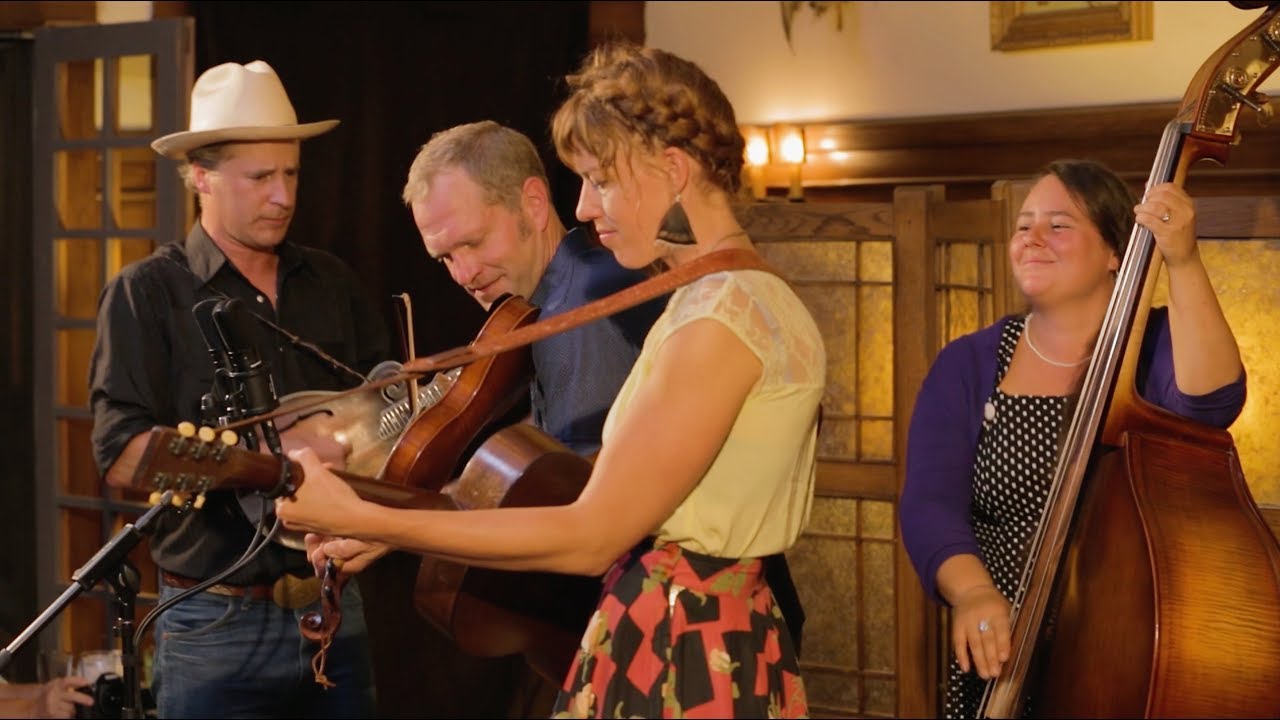
In a period where production is digitized, auto-tune reigns supreme, and music algorithms dominate the scene, it is possible that folk music may not have much relevance anymore. However, there is a reason why today, both beginners and enthusiasts are rediscovering traditional sounds through programs like adult music classes and children’s music classes, where cultural music is taught in a structured and engaging way.
Here are some of them.
Folk music is essential for cultural preservation. As the world becomes more and more interconnected, local customs are often lost to globalization, homogenization, and consumerism. Through folk music, communities can hold on to aspects of their culture that may otherwise be forgotten.
Folk music tells the truth in a world obsessed with falsehoods. One thing that makes folk music timeless and appealing is that it is always honest. There is no attempt at commercialism; no glossing over the facts of life and experience, but rather an embrace of the realities of existence.
There is a very strong modern revival taking place in folk music. Far from being a dying art form, folk music has enjoyed an amazing renaissance during the last twenty years or so. Groups such as Mumford & Sons, Fleet Foxes, The Lumineers, Bon Iver, and Gillian Welch have introduced their brand of folk music to large-scale, popular audiences, demonstrating how its intrinsic features remain timeless.
Thanks to streaming, folk music has never been more accessible. Apps such as Spotify, Apple Music, and even YouTube allow users worldwide to instantly access traditional folk music from every part of the planet, be it Mongolian throat singing, Andean pan flute music, or Appalachian bluegrass.
Folk music acts as a voice for communities. It can be said that one of the greatest roles played by folk music is that it still serves its original purpose by providing an avenue for common people to share their experiences and communicate with each other.