Dance has always evolved with culture, emotion, and human expression. Among the many styles that have emerged over time, one of the most expressive and dynamic forms is contemporary dance. Many students, parents, and aspiring performers often ask: what is contemporary dance?
Unlike strictly traditional dance forms, contemporary dance reflects modern thinking, personal storytelling, and creative experimentation. It blends technique with emotion and structure with freedom. It is both disciplined and imaginative, technical and expressive.
Understanding what contemporary dance is requires exploring its history, techniques, characteristics, and the powerful role it plays in today’s artistic world. This guide provides a complete explanation for anyone curious about this evolving dance form.
What Is Contemporary Dance? (Definition and Core Concept)
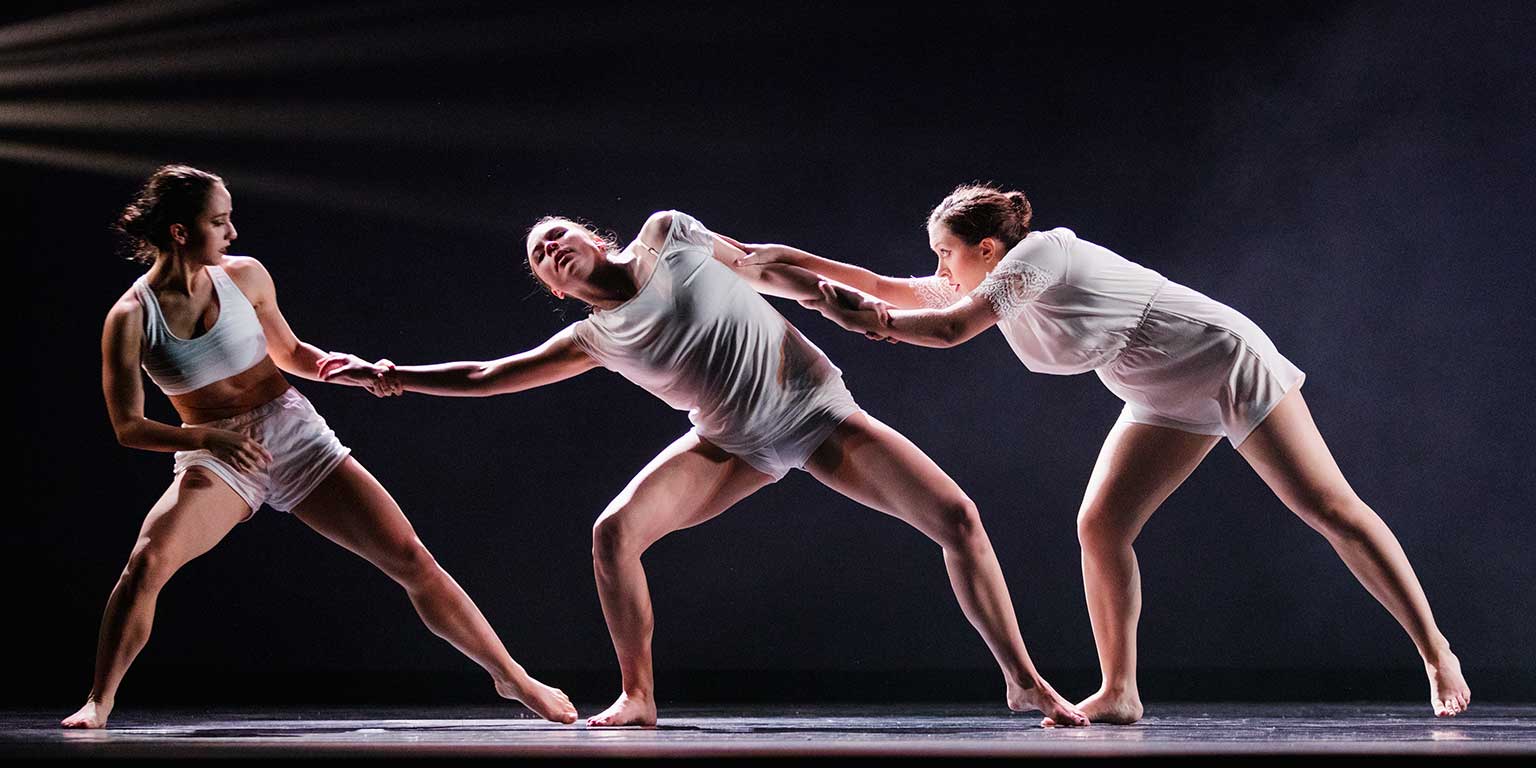
To clearly answer the question of what contemporary dance is, we can define it as:
Contemporary dance is a modern dance style that combines elements of ballet, modern dance, jazz, and improvisation to create expressive, fluid, and innovative movement.
The word “contemporary” literally means “belonging to the present time.” That is exactly what makes this dance form unique — it evolves continuously. Unlike classical ballet, which follows a strict syllabus, contemporary dance adapts to current artistic trends and cultural influences.
The contemporary dance definition includes:
-
Freedom of movement
-
Emotional storytelling
-
Technical foundation
-
Creative exploration
-
Versatility across music styles
It is not confined by rigid positions or fixed choreography rules. Instead, it encourages dancers to explore how their bodies move naturally while maintaining strong technique.
The History of Contemporary Dance
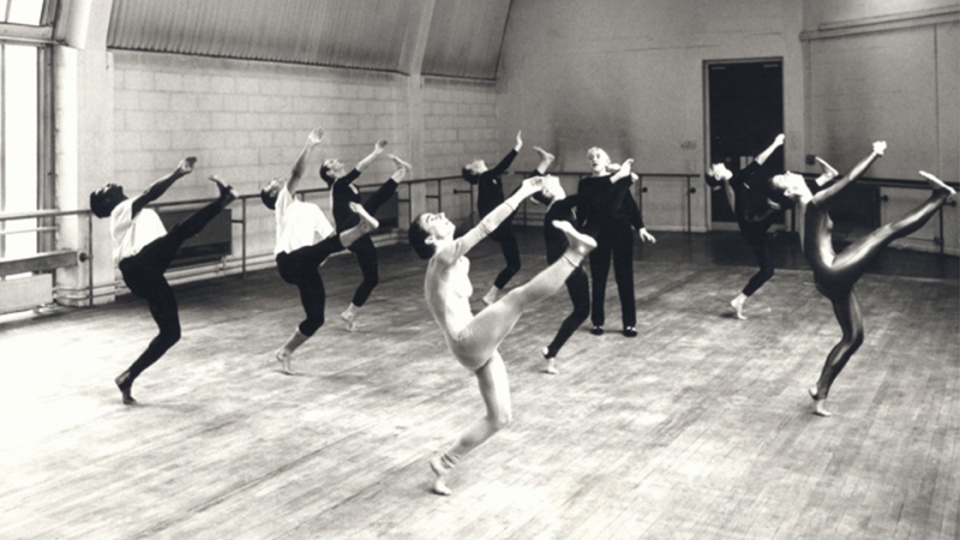
To truly understand what contemporary dance is, we must explore its origins.
Contemporary dance developed in the mid-20th century as a response to the formal structure of classical ballet. Early modern dancers sought greater expressive freedom. They wanted movement to feel grounded, emotional, and authentic rather than strictly graceful and upright.
Modern dance pioneers laid the foundation by rejecting traditional ballet techniques. Later, choreographers began blending ballet precision with modern freedom, forming what we now call contemporary dance.
Over time, this style absorbed influences from:
-
Jazz dance
-
African dance traditions
-
Experimental theater
-
Improvisational performance
-
Cultural storytelling movements
Because it evolves with time, contemporary dance today looks different from contemporary dance thirty years ago. That evolution is central to its identity.
Key Characteristics of Contemporary Dance
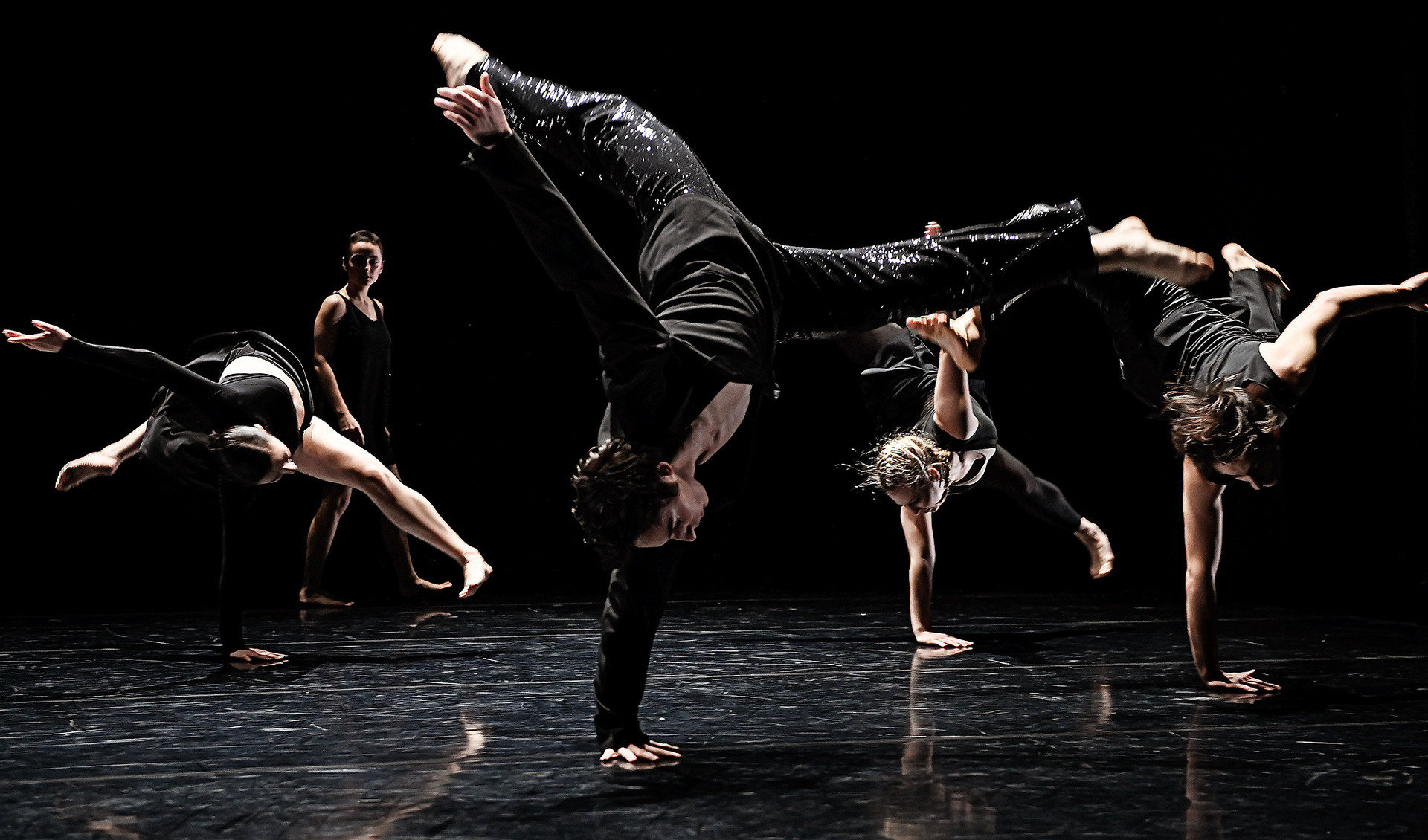
When asking what is contemporary dance, examining its characteristics helps clarify its identity.
Emotional Expression
Contemporary dance prioritizes emotional depth. Dancers often interpret personal experiences, social themes, or abstract ideas through movement. Facial expression, breath, and body tension play essential roles.
Fluid Transitions
One of the defining characteristics of contemporary dance is smooth, flowing movement. Dancers transition seamlessly between standing, jumping, and floorwork.
Use of Gravity
Unlike ballet, which resists gravity, contemporary dance embraces it. Movements often include falling, rolling, collapsing, and recovering.
Floorwork
Dancers frequently perform movements on the floor. This adds dimension and allows exploration of different spatial levels.
Improvisation
Improvisation is central to contemporary dance techniques. Dancers are encouraged to explore spontaneous movement and personal interpretation.
These elements combine to create a dance style that feels organic, expressive, and unrestricted.
Contemporary Dance Techniques and Training
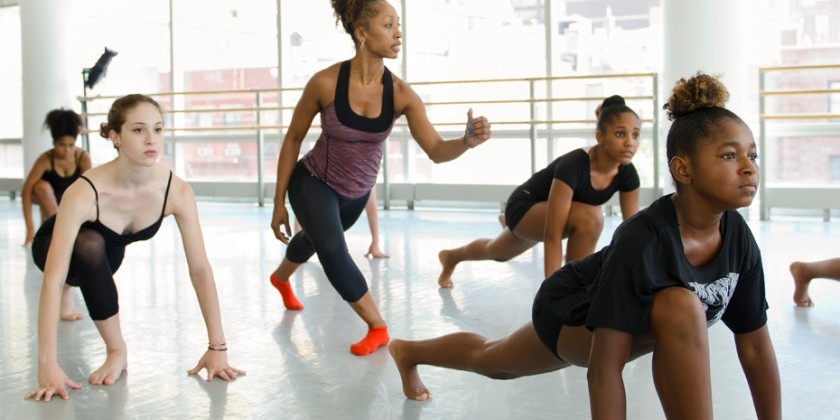
Although contemporary dance appears free and expressive, it requires structured technical training.
Professional contemporary dance techniques often include:
-
Release technique
-
Graham technique (contraction and release)
-
Cunningham technique (precision and alignment)
-
Contact improvisation
Training focuses on:
-
Core strength
-
Flexibility
-
Balance
-
Spatial awareness
-
Breath control
-
Alignment
Dancers spend years developing control over their bodies. Contemporary dance may look effortless, but it demands discipline and physical endurance.
Students typically begin with foundational exercises before advancing to complex choreography. This structured progression ensures safety and technical growth.
How Contemporary Dance Differs from Other Styles

Understanding what contemporary dance is becomes easier when comparing it with other dance forms.
Contemporary Dance vs Ballet
Ballet emphasizes upright posture, pointed feet, and strict technique. Contemporary dance borrows ballet’s technical base but allows greater flexibility, grounded movement, and creative freedom.
Contemporary Dance vs Modern Dance
Modern dance is the foundation from which contemporary dance evolved. Contemporary dance continues to adapt and integrate new influences, making it more fluid and evolving.
Contemporary Dance vs Jazz
Jazz is energetic, rhythmic, and often sharp. Contemporary dance incorporates jazz elements but focuses more on emotional storytelling and fluid transitions.
Contemporary dance acts as a bridge between structure and innovation.
The Role of Music in Contemporary Dance

Music in contemporary dance is not limited to one genre. Performances may feature:
-
Classical compositions
-
Instrumental soundscapes
-
Electronic music
-
Spoken word
-
Ambient sounds
-
Silence
Unlike traditional dance forms tied to strict rhythms, contemporary choreography may move against the beat or pause intentionally for dramatic effect.
This musical flexibility enhances emotional storytelling and creative interpretation.
Physical and Mental Benefits of Contemporary Dance

Beyond understanding the contemporary dance definition, it is important to recognize its benefits.
Physical Benefits
-
Improved flexibility
-
Increased core strength
-
Enhanced coordination
-
Better posture
-
Cardiovascular endurance
-
Muscular control
Contemporary dance challenges the entire body, making it a powerful form of physical training.
Mental and Emotional Benefits
-
Builds confidence
-
Encourages creativity
-
Reduces stress
-
Enhances emotional awareness
-
Improves memory and concentration
Because dancers must memorize choreography and adapt to new movements, cognitive skills are continuously strengthened.
Why Understanding Contemporary Dance Matters

Asking what is contemporary dance is more than defining a style it is about understanding a movement philosophy.
Contemporary dance encourages:
-
Self-expression
-
Creativity
-
Discipline
-
Physical awareness
-
Emotional growth
It teaches dancers to trust their bodies while maintaining strong technical foundations.
For students and aspiring performers, contemporary dance provides tools that extend beyond the studio: confidence, resilience, and artistic voice.