
Dance, like any other art form, allows the expression of other forms of art. This is why, at Mandala Arts, we celebrate the ancestry of the world. We want the world to enjoy South Indian rhythms and South Indian dance expressions. Dance is more than a set of movements and steps. It is an art form that expresses emotions, devotion, culture, and stories. It is a living language.
This blog will explore and share the world of South Indian classical traditions. It will show their relation with other cultures of the world and explain why their audience is spread across the globe.
An Asian Dances With Many Threads

There is a myriad of Asian dances. One can easily lose oneself in all the different forms and traditions. South Indian dances are among the most celebrated, and for good reason. They are rooted in temples, mythology, and the devotional practices of South India. These include Bharatanatyam, Kuchipudi, and Mohiniyattam.
These performances do more than entertain. They are performed as sacred rituals, prayerful in nature and approached with purity. Mandala Arts keeps these forms authentic while also making them accessible to new audiences.
South Indian Dance: Where Devotion Meets Storytelling
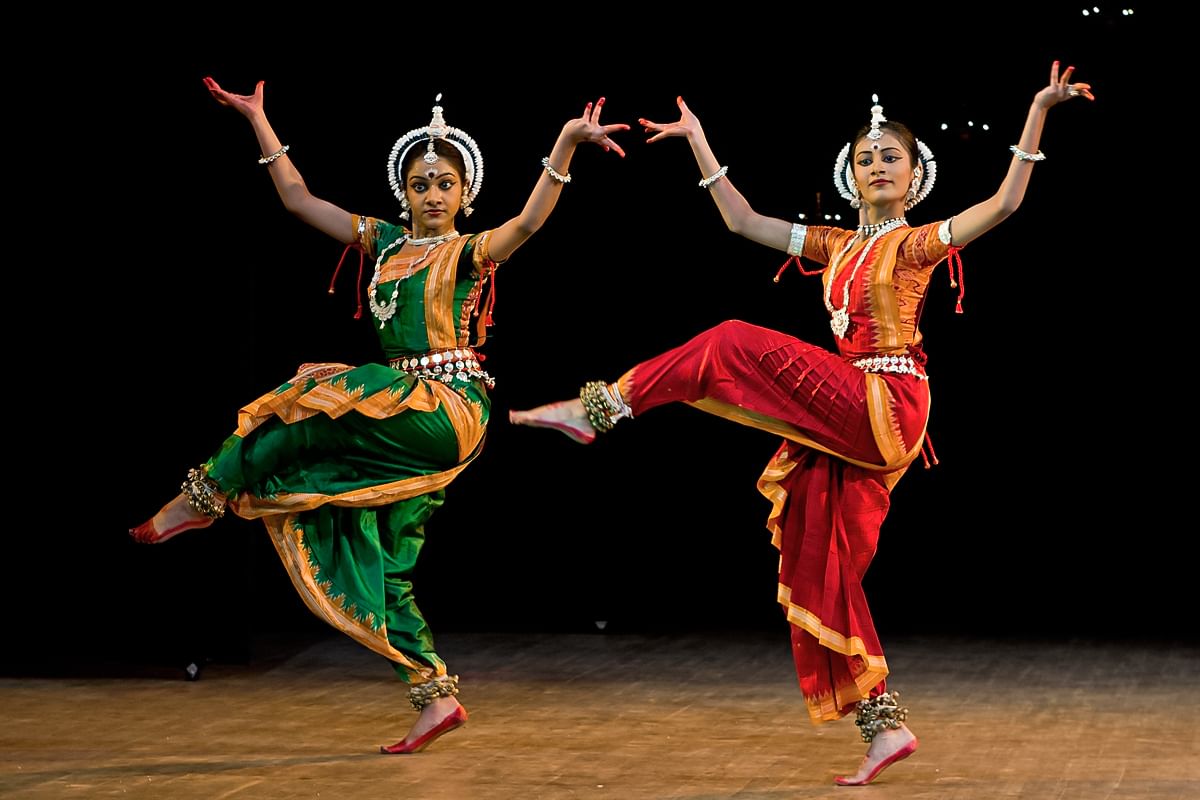
South Indian dance is a famed art form. It combines deep spirituality and meditation with technical precision. In dance traditions, Bharatanatyam is one of the oldest and survives to tell the most vivid stories. Every movement, even the faintest tap of a step, has meaning. In Bharatanatyam, the hand gestures are words, the abhinaya are emotions, and the dancer becomes immersed in telling a sacred story.
Another style is Kuchipudi. Kuchipudi was created differently than Bharatanatyam. It is characterized by group choreographic storytelling, dramatic singing, and acting. Mohiniyattam, from Kerala, flows gently with movements that resemble a river and echo nature’s rhythms.
These forms are not stuck in the past. In performances today, they showcase a culture full of depth, beauty, and vibrant innovation.
The Impact of Connection
Mandala Arts believes that dance is an art form that goes beyond individual expression. It becomes a collective and joyous celebration of the spirit. Just as the dances were once performed in villages and temples, today they continue to draw people together and cultivate relationships.
Spectators do more than watch. They dive into the world of deities and mythical creatures, enchanted by drums and the wonders of devotion.
It is not just the show that captures attention and amazement.
It is the dancers in beautiful costumes, the shining jewelry, and the art that lives in remembrance. The performance is a gift, carried forward by the ancestors of the world, surviving the test of time.
Asians Dancing Across Generations
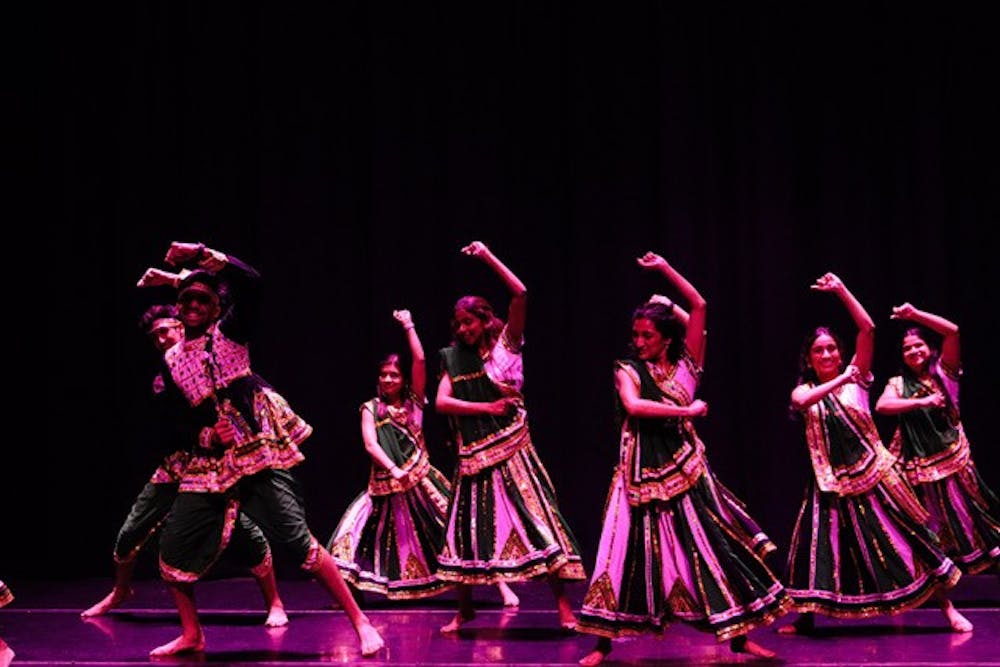
The beauty of dance lies in how it is passed from generation to generation. The act of dancing binds different ages together. Its endurance is proven in the dedication of countless wakeful mornings, long rehearsals, hours spent perfecting movements, and mastering songs in ancient languages.
Watching Asians dancing in regional events, cultural celebrations, and on professional stages is both a reflection and a celebration of identity.
For many diaspora communities, these dances are more than art forms. They are a way to stay connected to their roots and bring ancestral stories to life in new lands.
A group of an Asian dance group representing culture through dance in today’s world is engaged in much more than art. It is about representation and meaningful dialogue. Mandala Arts, through its ensembles and wide-ranging workshops, serves as a cultural bridge in this communal conversation.
Audiences do not view ‘traditional dances in Asia’ only as entertainment. They see the dance as a tool for understanding culture. Dance evolves into cultural diplomacy—a form of expression that is understood through the universal language of rhythm and movement. Whether it’s in Chicago, in California, or in London, these traditions connect people across the world.
Preserving Traditions in the Modern Age
Traditions in this age face many challenges. Lifestyles are changing, and modern forms of entertainment often overshadow practices that are older. The need for authenticity has never been greater. People long for what feels “real,” and meaningful. Cultural experiences matter more than ever.
This is why preserving dances from Asia is necessary. As performing art but also cultural heritage. Institutions such as Mandala Arts work to do both.
They mentor younger generations while also presenting live performances, showing that tradition can be integrated with modernity. They prove that these dances are not relics of the past, but living histories that adapt with time while maintaining their essence.
For example, incorporating modern ideas into classical forms allows dancers to address today’s issues—identity, belonging, or social change—while remaining true to their roots. This ensures that heritage is not lost, but nurtured and sustained.
Why South Indian Dance Speaks to Everyone
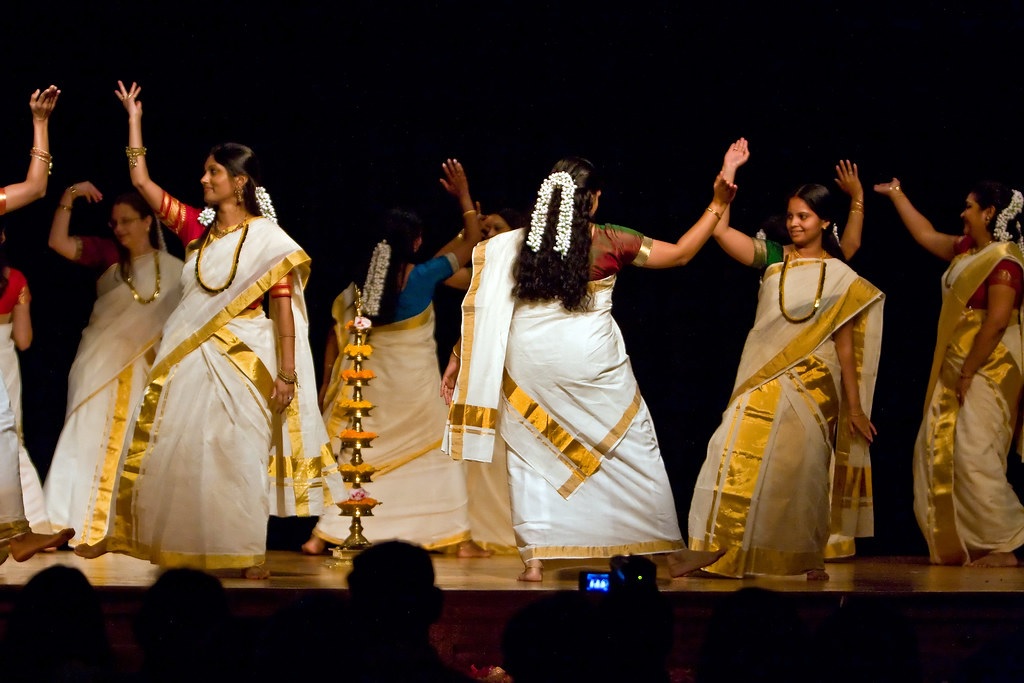
Even those who don’t understand the words of a Carnatic song or the symbolism of a specific mudra can still appreciate South Indian dance. It is a form that has no borders. It opens the gates to devotion, joy, longing, celebration, and even sorrow.
The skill of the dancer draws in the audience. With the rhythm of drums, the soaring sound of the violin, and the stamping of feet, an energy is created that connects. Whether in Chennai, Chicago, or anywhere in between.
The Contribution of Mandala Arts: Maintaining Legacies
Each member of Mandala Arts works with zeal, as we believe that we are custodians of our cultural practices and propagators of innovation. We strive to save our art forms while at the same time making them available for all to access.
Ranging from performances to educational programs to intercultural partnerships, Mandala Arts mentors students and curious people of all ages while respecting and preserving the legacy of legends. By our hard work, we have successfully brought our cultural art forms into schools, theaters, and community centers.
Each time we witness a dancer perform or a tribute come to life, we know that these traditions continue to thrive.
Conclusion: The Dance That Never Ends
It would be no wrong in saying that the eternal purpose of dance is to build connection. Older dancing traditions, such as the classical traditions of South India, show that stories can be told with just symbols and culture.
Mandala Arts has always been, and will be, a platform that invites people with open arms to discover themselves by discovering these art forms. Start this beautiful exploration with us. It can be your first Bharatanatyam performance or partaking in a workshop. With time, you will understand that you are a part of the tradition and a propagator.
Let’s keep this cycle going and preserve the rich culture and traditions with Mandala Arts.


Wow, fantastic blog layout! How long have you been blogging for?
you made blogging look easy. The overall look of your site is excellent, let alone the content!
Thank you so much for your kind words! I’m glad to hear that you enjoy both the content and the layout of the blog. Blogging has been a journey of learning and experimentation, and it’s always rewarding to know that readers find it engaging and easy to follow.
I really appreciate your feedback and encouragement—it means a lot.